 By Dakin Jill
For those who have served in the Australian Defence Force, accessing proper medical care after service is a fundamental right. The transition from military to civilian life brings unique challenges, particularly regarding physical and mental health. In Melbourne, the network of healthcare options available to former service personnel is robust, designed to address specific service-related conditions as well as general health maintenance. Understanding how this system works is essential for veterans and their families to ensure they receive the care they deserve.
The Department of Veterans’ Affairs (DVA) plays a central role in funding and facilitating this care. Through the DVA card system, Gold, White, and Orange cards, eligible individuals can access a wide range of services. These might include visits to general practitioners, specialists, allied health professionals, and hospital admissions. Finding a clinic or practitioner that understands the administrative requirements of veteran DVA support Melbourne is often the first step in establishing a sustainable healthcare plan. Many medical centres in the greater Melbourne area are well-versed in processing these claims, ensuring there is minimal financial burden on the patient.
Mental health support is another pillar of veteran care in Victoria. The unique stressors of military service can lead to conditions such as PTSD, anxiety, and depression. Fortunately, the support structure in Melbourne extends beyond simple clinical visits. It includes access to psychiatrists, psychologists, and specialised counselling services. Many of these services are available without a referral for those with recognised service-related conditions, or through non-liability health care arrangements which cover mental health treatment for anyone with even a single day of continuous full-time service.
Physical rehabilitation remains a priority for many former ADF members. Service life takes a toll on the body, often resulting in musculoskeletal injuries that require long-term management. Physiotherapy, exercise physiology, and occupational therapy are frequently accessed services. In Melbourne, there is a strong focus on holistic rehabilitation programs. These programs do not simply treat an injury in isolation; they look at improving overall mobility, strength, and quality of life. Accessing gym memberships or hydrotherapy sessions under DVA funding can be arranged when clinically necessary, providing practical ways to manage chronic pain and improve physical function.
For older veterans, aged care and home support services become increasingly important. The goal is often to help individuals remain independent in their own homes for as long as possible. Services such as Veterans’ Home Care (VHC) provide low-level care, including domestic assistance, personal care, and respite care. This support acknowledges that medical needs often intersect with daily living requirements. When living at home is no longer an option, residential aged care facilities in Melbourne often have specific places or funding arrangements for veterans, ensuring they continue to receive appropriate medical attention in a supportive environment.
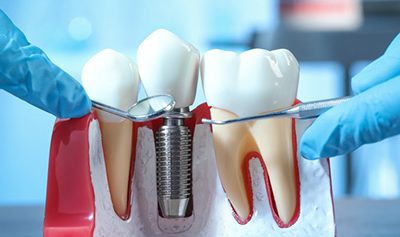
Navigating the medical landscape requires awareness of what is available. From hearing services and dental care to optical checks and pharmaceuticals, the coverage is extensive for eligible cardholders. By utilising these resources effectively, veterans in Melbourne can maintain their health and wellbeing long after their service has concluded. It is about connecting with the right professionals who respect the service given and possess the knowledge to provide the highest standard of care.