 By Dakin Jill
The electric vehicle (EV) revolution is rapidly gaining speed across Thailand. As more drivers switch from traditional petrol cars to cleaner, greener alternatives, the need for robust charging infrastructure becomes increasingly apparent. While home charging is a convenient option for daily use, the expansion of a public charging network is essential for long-distance travel and widespread adoption. This is where Direct Current (DC) fast chargers play a transformative role.
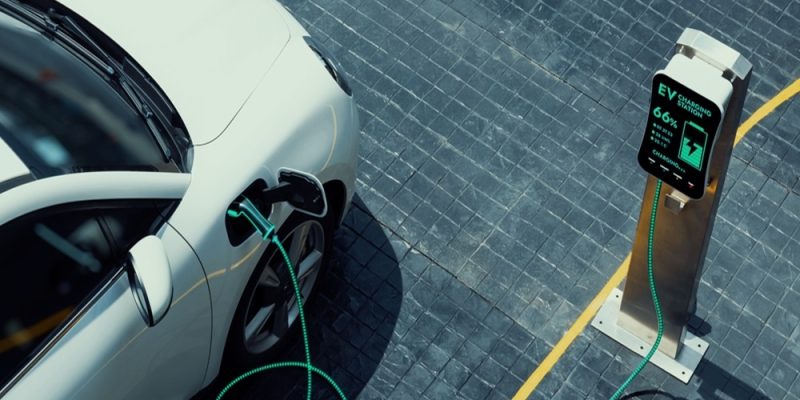
Unlike the alternating current (AC) chargers commonly found in homes, DC chargers provide a much quicker power-up for EVs. This technology converts AC power from the grid to DC power within the charging station itself, allowing it to feed electricity directly to the vehicle’s battery. This process significantly reduces charging times. For drivers on the move, finding an ultra fast car charger means they can add substantial range in the time it takes to grab a coffee, making electric travel more practical than ever before.
The availability of these powerful charging stations helps eliminate “range anxiety,” the fear that an EV will run out of power before reaching its destination or a charging point. By strategically placing DC fast chargers along major highways and in urban centres throughout Thailand, from Bangkok to Chiang Mai, the network empowers EV owners to undertake longer trips with confidence. This expanding infrastructure supports both personal travel and commercial logistics.
The Technology Behind Rapid Charging
DC fast charging technology is a significant step up from standard AC charging. While an AC charger relies on the vehicle’s onboard converter to change AC to DC power, a DC fast charger bypasses this component entirely. This direct connection is what enables such rapid energy transfer.
The power output of DC chargers is measured in kilowatts (kW), and it varies considerably. Stations can range from 50 kW to over 350 kW. A higher kilowatt rating translates to faster charging speeds, provided the vehicle can accept that level of power. As battery technology improves, vehicles are becoming capable of handling higher charging rates, making high-power DC stations a future-proof investment for Thailand’s infrastructure.
Building a Sustainable EV Ecosystem
Developing a comprehensive DC charging network is fundamental to supporting Thailand’s goals for a sustainable transportation future. It encourages the shift to electric vehicles by making them a more viable and convenient choice for everyone. A strong network of public fast chargers not only benefits current EV owners but also signals to potential buyers that the country is ready for an electric-powered future.
As this infrastructure grows, it will support a cleaner environment by reducing reliance on fossil fuels and lowering carbon emissions. The continued expansion of DC fast charging stations is a clear commitment to sustainable progress, paving the way for a new era of mobility in Thailand. This development ensures that the benefits of electric vehicles are accessible to a wider portion of the population.