 By Dakin Jill
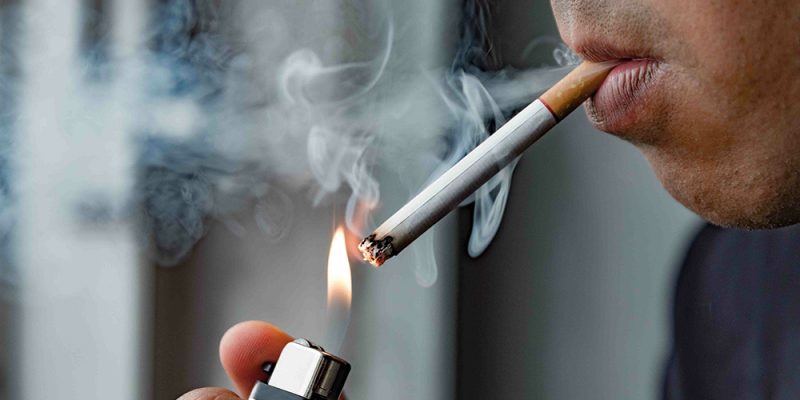
Public health discussions in Thailand often center on diet, exercise, and infectious diseases, but one issue remains a persistent challenge: smoking. Despite strict regulations and graphic warning labels on packaging, many people across the country still struggle with addiction. The long-term consequences of using tobacco (known as ยาสูบ in Thai) affect not just the individual smoker but also their families and the wider community through secondhand smoke exposure.
In Thailand, the prevalence of smoking remains high among certain demographics, particularly older men and rural populations. This habit contributes significantly to the burden on the national healthcare system. Non-communicable diseases (NCDs) such as heart disease, stroke, and chronic obstructive pulmonary disease (COPD) are leading causes of death here, and smoking is a primary risk factor for all of them. The toxins inhaled from cigarettes damage the lining of blood vessels, making the heart work harder and increasing the likelihood of clots.
The impact on lung health is perhaps the most visible consequence. For many Thai people living in areas already dealing with seasonal air pollution, adding smoke to the mix creates a dangerous situation. Lungs compromised by years of smoking are far less resilient against environmental pollutants like PM2.5 dust. This combination can lead to severe respiratory infections and exacerbate conditions like asthma and emphysema. It is a compounding problem where lifestyle choices and environmental factors collide to degrade quality of life.
Beyond the direct physical harm to the smoker, the economic toll is substantial. Families often spend a significant portion of their income on cigarettes, money that could otherwise be used for food, education, or healthcare. When a primary earner falls ill due to smoking-related diseases, the financial stability of the entire household is threatened. The cost of medical treatment for chronic conditions like lung cancer or heart failure can be overwhelming, even with universal health coverage.
Secondhand smoke is another major concern in Thai society. Children and non-smoking spouses are frequently exposed to harmful fumes in their own homes. Studies show that children who grow up in smoking households are more prone to respiratory infections, ear problems, and reduced lung function. This early exposure can set the stage for lifelong health issues, creating a cycle of poor health that passes from one generation to the next.
Efforts to curb smoking rates in Thailand have included establishing smoke-free zones in public parks, markets, and temples. These measures aim to protect non-smokers and de-normalize the habit in public spaces. However, the most significant change must happen at the individual level. Quitting is difficult, but support systems are available. From counseling services at local hospitals to national quitlines, resources exist to help people break free from addiction.
Understanding the full scope of health risks is the first step toward a healthier future. By prioritizing lung and heart health, individuals can improve their own lives and contribute to a stronger, healthier Thailand. The decision to stop smoking is powerful, offering immediate benefits to the body and long-term security for families.